
The sneaker industry has changed dramatically over the last decade. There was a time when buying a pair of limited-edition Nikes meant showing up at a store, waiting in line, and hoping your size was still available. Today, most of the action happens online. And whenever valuable products move online, technology and automation follow. That is exactly where the concept of a Nike Shoe Bot comes into play.
Whether you’re trying to understand sneaker culture, exploring the resale market, or simply wondering how certain buyers consistently secure limited Nike releases, chances are you’ve already encountered the impact of Nike shoe bots.
In fact, modern sneaker releases have become so competitive that entire industries now exist around sneaker automation, proxies, servers, and auto-checkout technology.
So what exactly is a Nike Shoe Bot? And why has it become one of the most searched terms in sneaker culture?
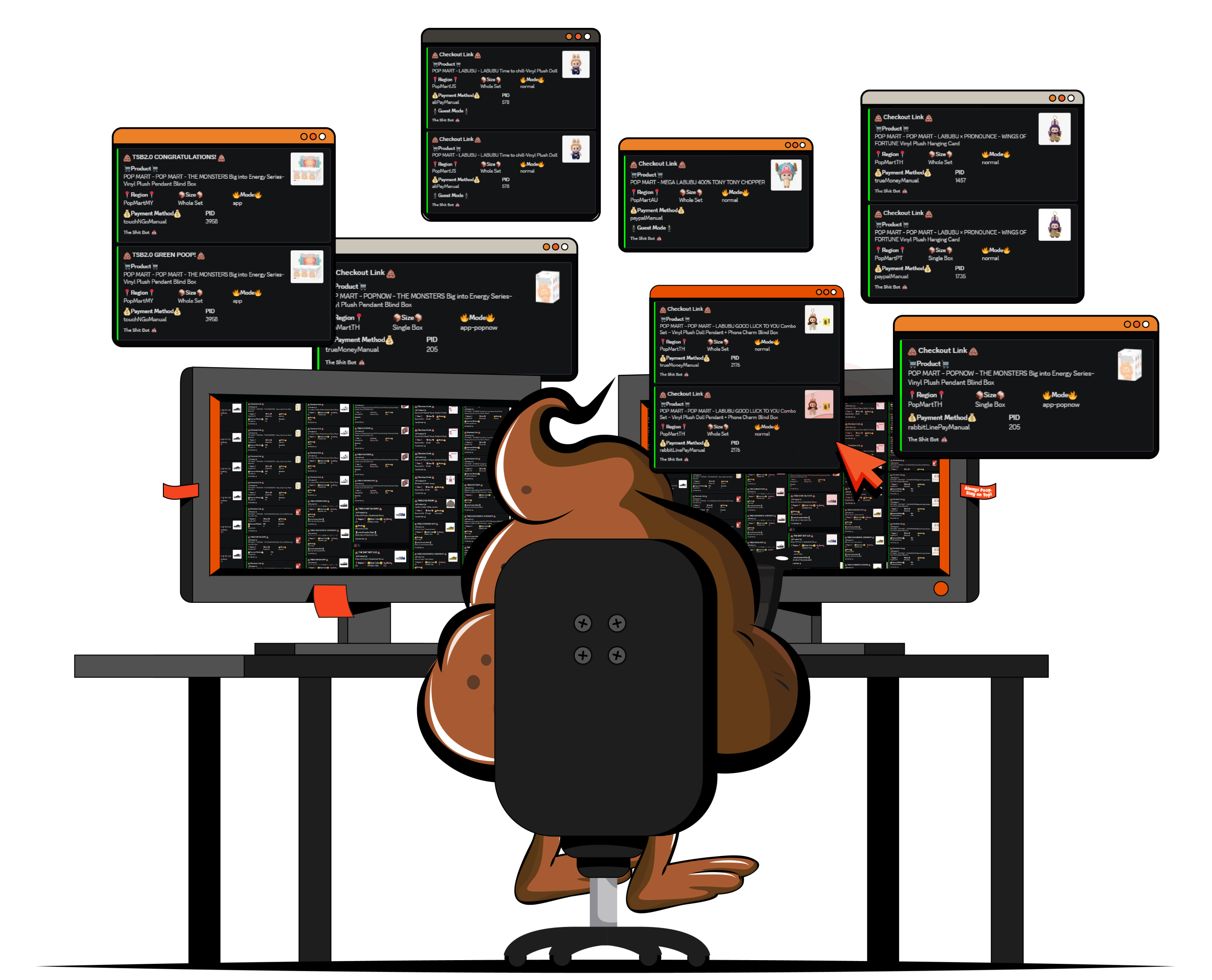
What Is a Shoe Bot?
A shoe bot is software designed to automate parts of the online purchasing process.
Instead of manually:
- Loading product pages
- Adding items to the cart
- Entering shipping information
- Completing checkout
A sneaker bot performs those actions automatically with a primary goal of increasing speed. Because on exclusive releases, a few seconds can determine whether you secure a pair or not. And so, automation became too common across sneaker releases, collectibles, trading cards, toys, and other high-demand products.
What Is a Nike Shoe Bot?
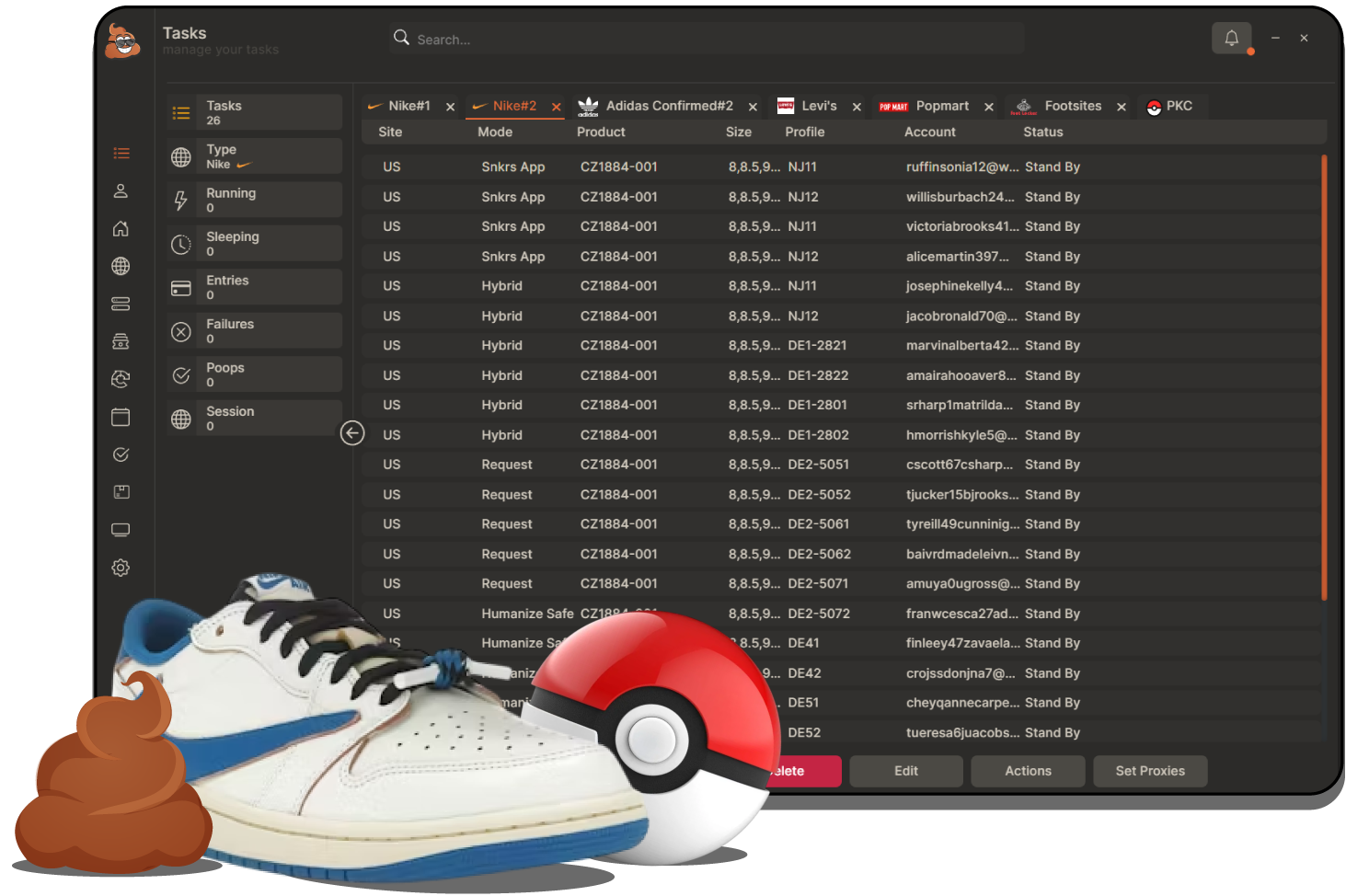
A Nike Shoe Bot is a specialized sneaker bot designed specifically for Nike’s ecosystem.
Rather than targeting dozens of retailers equally, a shoe bot for Nike focuses on Nike-owned platforms, including:
- Nike.com
- SNKRS
- Regional Nike stores
- Nike launches in different countries
Because Nike uses unique release mechanics, account systems, and bot protection technology, specialized Nike shoe bots emerged to address those challenges.
Over time, Nike became the most targeted retailer in the sneaker industry. Especially following the death of Yeezys, and the lack of profitable Adidas drops. Of course, in addition to the enormous resale value attached to many releases.
So Nike Minds, Jordan retros, Travis Scotts, SB Dunks, and Kobe releases became very IN that only a sneaker bot, or in this case a Nike Shoe Bot, could get you through.
Why Do People Use a Nike Shoe Bot?
The answer usually comes down to competition. Popular Nike releases often attract hundreds of thousands of entries globally. Slimming down your chances of scoring a pair down to 0! And the better a shoe is expected to perform on the resale market, the harder it is to fight back! Manually, that is.
So a Nike Shoe Bot can automate repetitive tasks and improve efficiency during high-pressure releases. And different users also have different goals. Some collectors use sneaker bots because they genuinely want to wear the shoes. Others use Nike shoe bots to improve their chances of securing a pair or MORE without having to pay resale prices.
Why Nike Releases Are So Competitive
Nike controls some of the most desirable footwear releases.
A typical year includes a couple of Travis Scott sneakers, Many Jordan retros, some Kobes, and recently, a ton of Nike Mind Colorways! And while some of these sneakers drop via SNKRS, many of them release via special Nike releases. Which require special handling that so far, only The Shit Bot can deal with. Add to that the strict anti-bot measures that Nike sets in place to keep botters out, and you have a recipe for disaster.
Are Nike Shoe Bots Illegal?
This is one of the most common questions surrounding sneaker automation.
Now, in most countries, using a Nike Shoe Bot is not automatically considered a criminal offense. However, that does not mean every use case is unrestricted.
Retailers generally prohibit bot activity through their terms of service. This means accounts can face restrictions, cancellations, or bans if platform rules are violated. And different regions may also have different laws regarding automated purchasing software, online commerce, and consumer protection. So as a result, legality and platform compliance are not always the same thing.