
Blogs
The wildest blog in the game: what to cop, where to cop it, and how to flip it for profit. Sneakers, streetwear and collectibles, plus the guides and tools that make reselling 10x easier 😉
Air Jordan Prices Guide (2026): How Much Do Jordans Cost at Retail?
Air Jordan prices in 2026 start at $115 for a standard Jordan 1 Low and top out at $255 for the Jordan 7 “Miro.” Most adult numbered retros land between $210 and $235. These are US list prices we checked on October 19, 2026 against Sneaker News, Sole Retriever, Complex, and StockX. Kids’ pairs cost […]

Order Cancellations Explained: Why Retailers Cancel Bot Orders & How to Reduce Them
Browse all articles



Pokemon Center Queue: What It Is and What to Do While You Wait
Pokemon Center queue explained: what the official help says to do while you wait, how long waits can be, and what automation can and cannot do.

Pokémon Bot Guide: Checkout Bots, Alert Bots and Game Bots
Pokemon bot or Pokemon bots? Learn how checkout, alert and game bots differ, how checkout bots work and which sites TSB covers.

Browser-Based vs Request-Based Sneaker Bots: Speed, Safety and Scale
Browse all articles

What Is a Proxy Subnet & Why Does It Matter for Sneaker Botting?
Browse all articles

Got the W? Here’s How to Manage Your Sneaker Reselling Stock
The checkout went through. The confirmation email landed. You got the W. Now you’ve got a different problem: a pile of boxes, several sizes, and money tied up in pairs that still need to sell. It’s easy to spend hours preparing for a drop and barely five minutes thinking about what happens afterwards. Then you […]
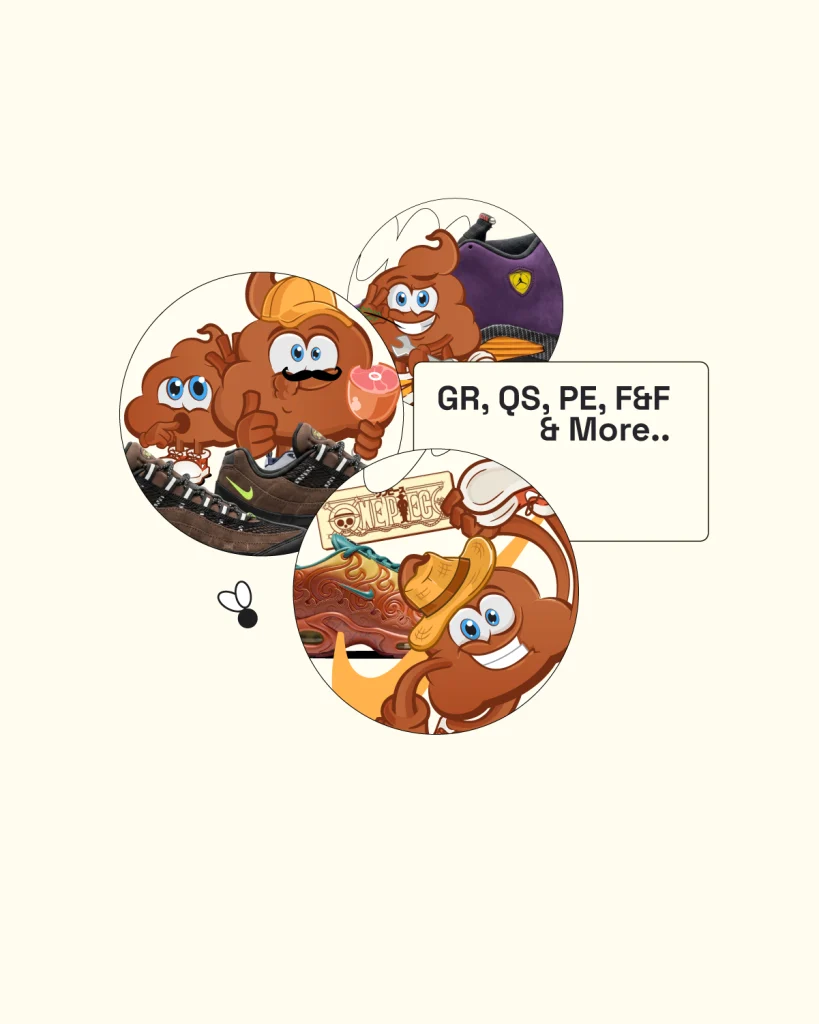
Sneaker Release Types Explained: GR, QS, PE, F&F & More Explained
Sneaker release types tell you how widely a pair is distributed and who it was originally made for. GR means General Release, QS means Quickstrike, PE usually means Player Exclusive or Player Edition, and F&F means Friends & Family. You also have even scarcer labels like Hyperstrike, plus terms such as SE and SMU that […]
Proxy Speed vs Success Rate: What Actually Matters for Sneaker Botting?
Success rate matters more than raw proxy speed for most sneaker botting setups. A 100 ms proxy that keeps getting blocked is worse than a 400 ms proxy that stays stable, matches the right region, and gets tasks where they need to go. Speed still matters… It just isn’t the whole game. Does Proxy Speed […]
Why Do Sneaker Restocks Happen & How Do They Work?
Sneaker restocks happen when a retailer makes a sold-out shoe available again, either through newly allocated inventory, another planned stock release, or pairs that return to available inventory. And no, every restock doesn’t mean Nike suddenly made another million pairs overnight. Some are planned months ahead. Others are tiny inventory reloads that disappear before most […]

Best Sneaker Cook Groups in 2026
Published October 1, 2026. Updated October 6, 2026. The best sneaker cook groups in 2026 are Strike Access, House of Profits, AMNotify, and Alerts JP, depending on which drops you chase. A high-performance sneaker bot is only as good as the information feeding it. For example, you can run hundreds of SNKRS tasks on The […]
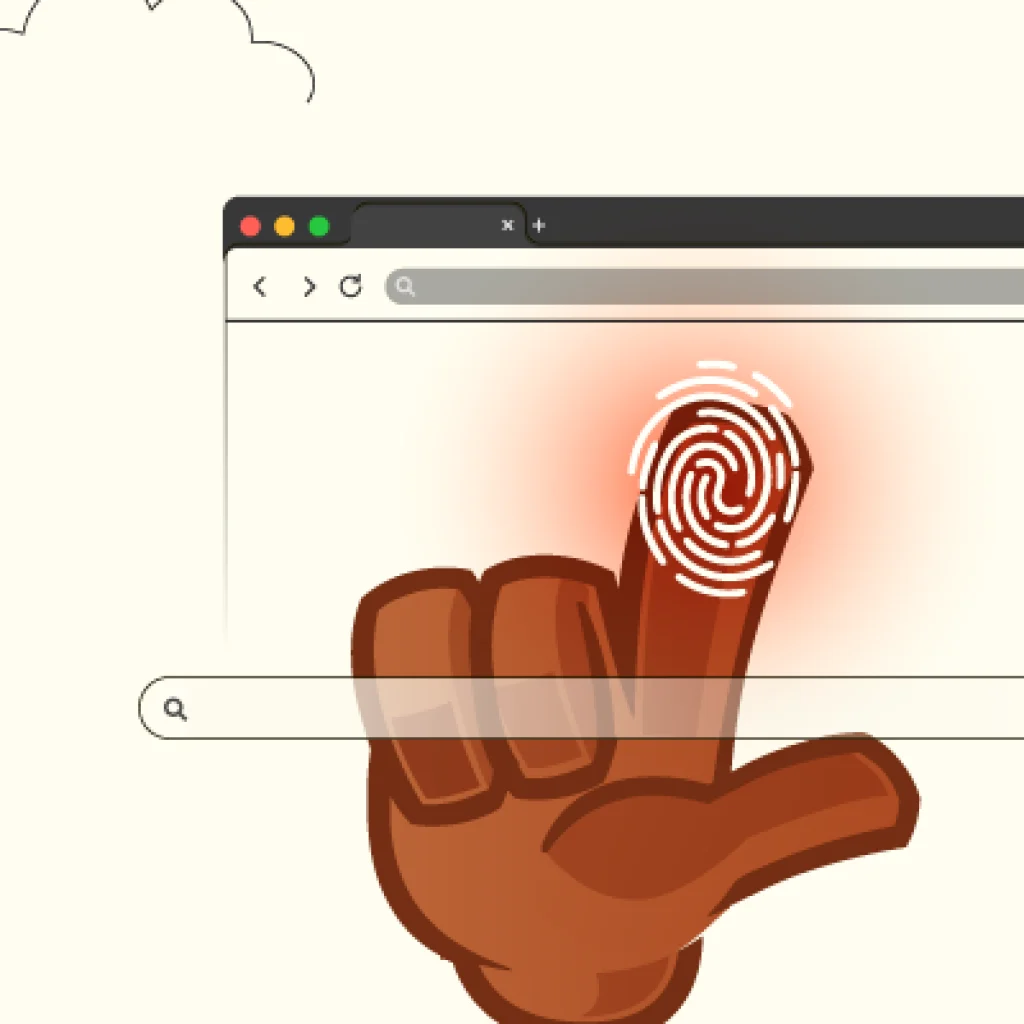
What Is Browser Fingerprinting? A Sneaker Botting Guide
Browser fingerprinting is a method websites use to identify or classify a browser by combining characteristics of its software, hardware, and configuration. Instead of relying only on cookies or an IP address, a site can examine multiple browser signals and how they fit together. Mozilla’s MDN documentation lists examples including browser version, timezone, language, fonts, […]
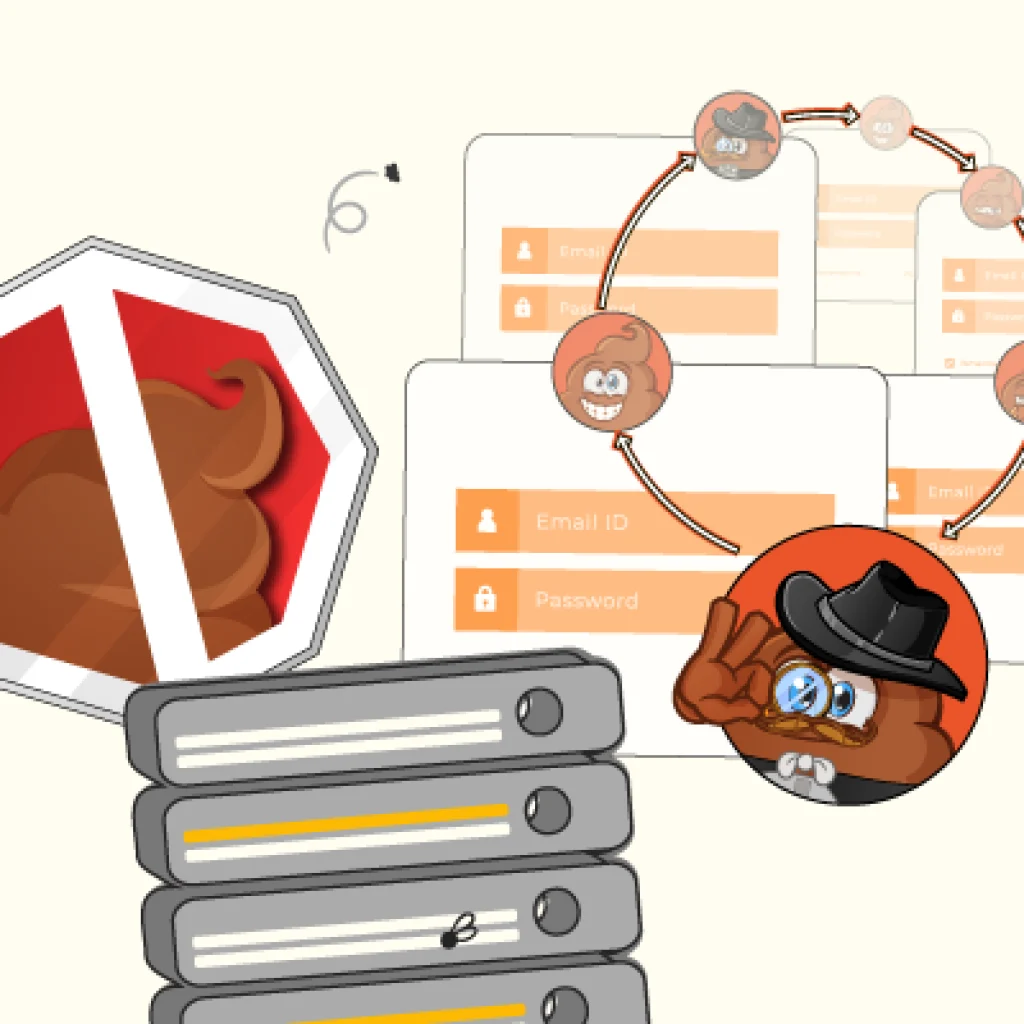
Sticky vs Rotating Proxies for Sneaker Bots: Which Is Better?
Sticky proxies keep the same IP for a set session, while rotating proxies switch IPs based on the provider’s rotation rules. For sneaker bots, sticky sessions make sense when IP consistency matters. Rotating proxies make more sense when you need access to a larger pool of IPs across repeated requests. Neither is automatically better. Your […]

When Is the Best Time to Sell Sneakers?
The best time to sell sneakers is when demand is high and available supply is low. For some releases, that means flipping immediately around release day. For others, holding until pairs disappear from the market could pay off. And that’s the tricky part… there’s no universal “sell after X days” rule. If you wanna make […]
What Is Account Warming? Account Age, Trust & Retailer Risk Signals Explained
What Is Account Warming? Account warming means building a normal account history before using it during a high-demand release. In sneaker botting, the idea is that an account with some legitimate history may look less disposable than one created right before drop day. But warming isn’t a magic trust button. Retailers don’t publicly reveal a […]
What Is IP Reputation & Why Does It Matter for Sneaker Botting?
What Is IP Reputation? IP reputation is the level of trust or risk associated with an IP address based on its history, network characteristics, and observed behavior. For sneaker botting, that matters because the IP behind a task is one of the signals a retailer’s anti-bot system can evaluate. DataDome, for example, documents reputational detection […]
Sneaker Release Methods Explained: FCFS vs Raffles vs Queues
Why does one sneaker drop sell out in seconds while another gives you 10 minutes to enter? It comes down to the release method. FCFS, raffles, and queues are three common ways retailers handle high-demand sneaker releases, and each one decides who gets a shot at that sweet W differently. What Does FCFS Mean in […]