
Long before carbon-plated running shoes and futuristic 3D-printed sneakers, or Nike Minds dominated headlines, Nike introduced one of the most ambitious footwear technologies ever. It was bold and futuristic. And honestly, it looked like something from another planet. We’re talking about Nike Shox shoes.
Whether you remember Vince Carter dunking in them, the Nike Shox R4, or the unmistakable spring-like columns under the heel, there’s no denying that Nike Shox remains one of the most recognizable sneaker technologies ever developed.
More than two decades after it first launched, Nike Shox shoes continue dropping new versions. Attracting collectors, sneakerheads, and a new generation of buyers discovering the silhouette for the first time.
The Origins of Nike Shox
The story of Nike Shox actually began long before the first pair reached store shelves.
Back in the 1980s, Nike designers began experimenting with alternative cushioning systems that could provide more energy return than traditional foam midsoles. One of the key figures involved was Bruce Kilgore, the legendary designer behind the Nike Air Force 1. His vision was simple: create a mechanical cushioning system that could absorb impact and return energy more efficiently to athletes.
The idea sounded revolutionary. The problem was that the technology didn’t exist yet. And it took nearly two decades of research and material development before Nike could finally bring the concept to life.
The Nike Shox R4 Changed Everything
In 2000, Nike officially introduced the Nike Shox R4. The sneaker immediately stood out. At a time when most athletic footwear relied on foam or Air technology, the Shox R4 featured four visible columns in the heel designed to compress and rebound with every step.
The look was unlike anything consumers had seen before. Its futuristic silver upper, aggressive design lines, and visible cushioning system made it an instant conversation starter. While Nike originally marketed the shoe as a performance runner, it quickly found an audience far beyond sports. The streets embraced it.
How Nike Shox Technology Works
The defining feature of Nike Shox shoes is the cushioning system itself.
Instead of relying solely on foam or Air units, Nike created a series of flexible polyurethane columns positioned beneath the foot. When the wearer lands, the columns compress. As they return to their original shape, they help transfer some of that energy back into the next step.
The result is a unique feeling that’s difficult to compare with traditional cushioning systems. Some describe it as springy, while others describe it as responsive. Either way, it became one of the most distinctive rides Nike ever produced.
The Nike Shox TL Became a Cult Classic
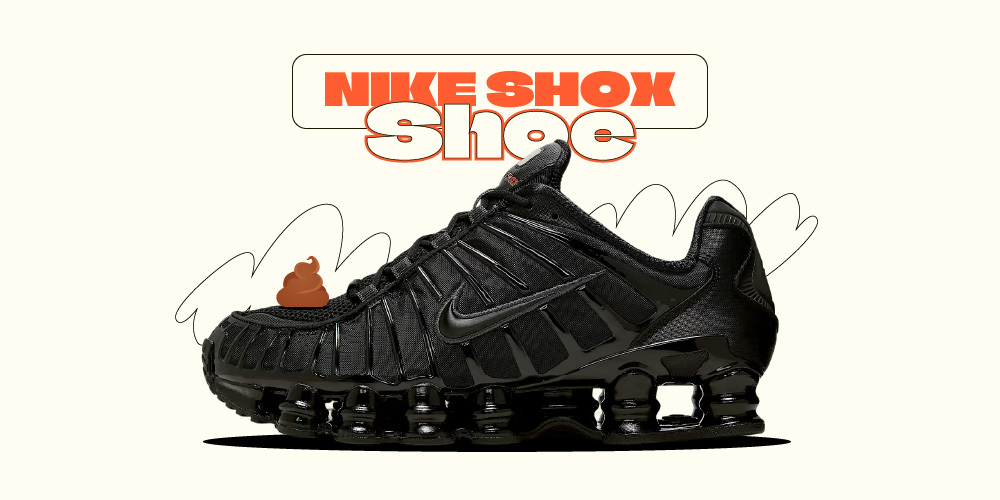
While the R4 introduced the technology, many sneaker enthusiasts consider the Nike Shox TL the silhouette that truly defined the franchise. Released in 2003, the TL took the concept to the extreme. Instead of limiting the Shox columns to the heel, Nike extended them throughout the entire length of the sole.
The result was dramatic. Massive cushioning, an unmistakable profile, and one of the most futuristic sneakers Nike had ever released. Years later, the Nike Shox TL would experience a major resurgence, becoming one of the most sought-after retro runners in Nike’s catalog.
The Nike Shox Ride 2: Improved Performance
Not every Shox model focused purely on aesthetics. The Nike Shox Ride 2, released in 2004, aimed to improve performance and comfort for runners.
The shoe combined Shox technology in the heel with Nike Air cushioning in the forefoot, creating a smoother ride for longer distances. It also introduced a more breathable mesh upper and softer overall construction. Today, many sneaker enthusiasts consider the Ride 2 one of the most underrated Nike Shox models ever produced.
Why Nike Shox Shoes Are Popular Again
Fashion is cyclical.
And few sneaker trends illustrate that better than Nike Shox. The rise of Y2K fashion, retro running sneakers, and futuristic footwear has helped introduce Nike Shox to an entirely new audience. Suddenly, the same sneakers that felt futuristic in 2000 fit perfectly into modern fashion trends. Celebrities, influencers, and sneaker collectors have embraced the silhouette once again, especially models like the Shox TL and Shox R4. What once looked ahead of its time now feels perfectly current.
Are Nike Shox Shoes Worth Buying in 2026?
Absolutely.
Whether you’re interested in sneaker history, streetwear culture, or simply want something different from the endless wave of retro basketball shoes, Nike Shox offers a unique alternative.
The technology remains distinctive. The designs still stand out. And the growing popularity of retro runners continues driving demand for classic Shox releases. For many sneakerheads, Nike Shox shoes represent one of the last truly experimental eras in Nike’s history.
Our Take on Nike Shox Shoes
Few sneakers have left a mark on footwear culture quite like Nike Shox. What started as an ambitious cushioning experiment evolved into one of Nike’s most recognizable technologies and one of the defining sneaker movements of the early 2000s.
From the groundbreaking Nike Shox R4 to the cult-favorite Shox TL and performance-focused Ride 2, the franchise continues proving that great design never truly disappears. It simply waits for the right moment to come back. And judging by the current resurgence, Nike Shox shoes are far from finished.